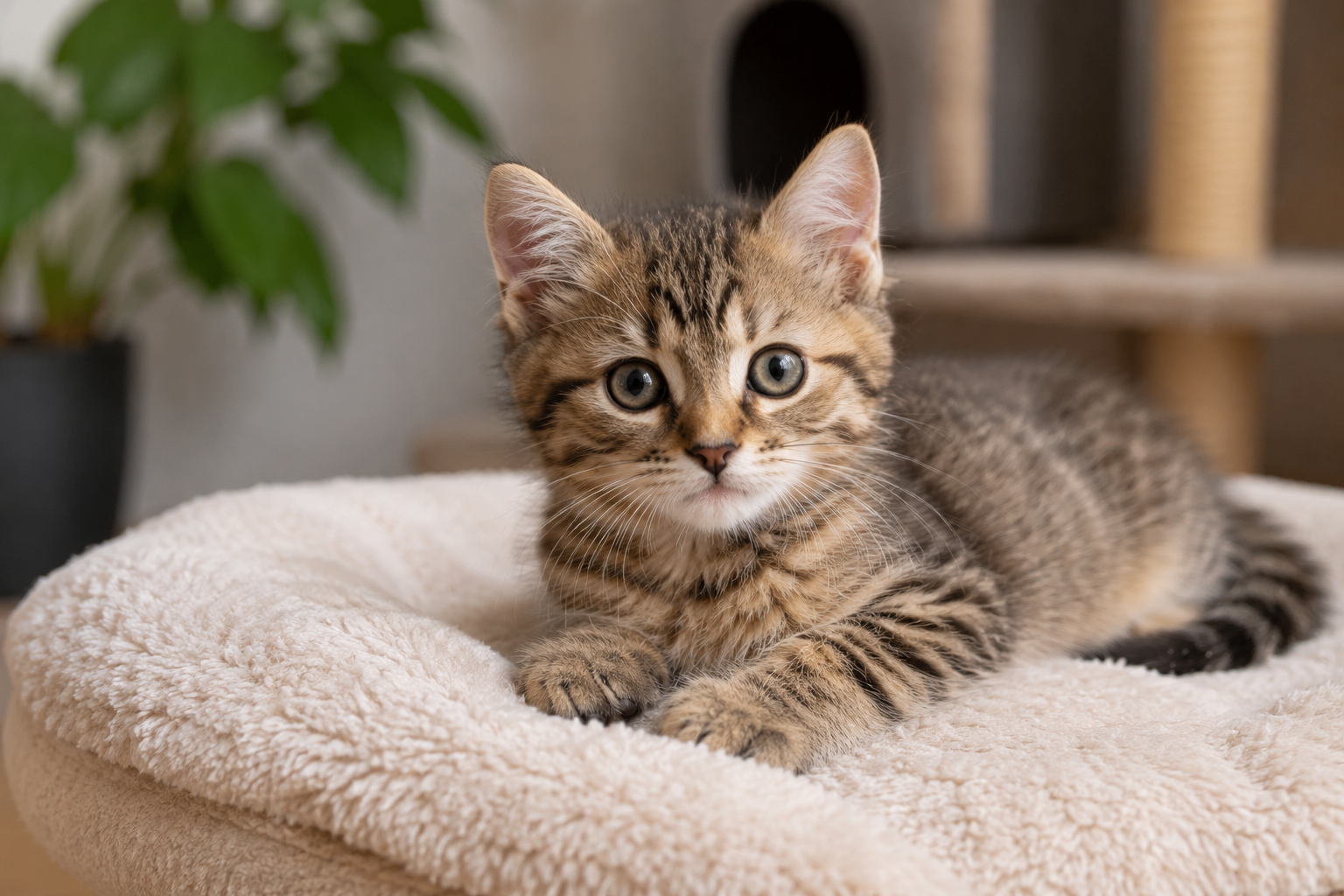
If you are wondering when do cats stop growing, the general answer is that most cats reach their full adult size between 12 and 18 months old. However, some cats may continue filling out until they are around 2 years old, especially larger breeds. A cat’s growth depends on genetics, breed, nutrition, health, and overall development during kittenhood.
Kittens grow quickly during their first few months of life, and it can feel like they change almost overnight. One week they are tiny, clumsy, and playful, and the next they look longer, stronger, and more confident. Understanding your cat’s growth timeline can help you know what to expect as your kitten becomes a full-grown cat.
How Fast Do Kittens Grow?
Kitten growth happens fastest during the first six months. During this stage, kittens gain weight, build muscle, develop coordination, and become much more active. They also learn important behaviors like playing, scratching, jumping, grooming, and using the litter box.
By around 6 months old, many kittens look like small adult cats, but they are usually not fully grown yet. Their bodies may still be developing, and they may continue gaining weight and muscle for several more months.
This is why many cat owners think their cat has stopped growing early, only to notice later that their cat has become longer, heavier, or more filled out.
Average Cat Growth Timeline
While every cat is different, most cats follow a similar growth pattern.
0–8 weeks:
Kittens are very small and depend heavily on their mother or caregiver. They grow quickly, begin walking, and start exploring.
2–4 months:
This is a major kitten growth stage. Kittens become more playful, curious, and energetic. They begin developing stronger muscles and better coordination.
4–6 months:
Your kitten may start looking more like a young adult cat. Their legs, body, and face continue changing, and their playful behavior is usually very strong.
6–12 months:
Many cats slow down in growth during this stage, but they are still developing. They may get longer, stronger, and heavier.
12–18 months:
Most cats stop growing around this time and reach their full adult size.
18 months–2 years:
Some cats may continue filling out, especially larger breeds or cats with a naturally bigger body type.
Do Some Cat Breeds Grow Longer Than Others?
Yes, breed can affect when cats stop growing. Most average domestic cats are close to full size by 12 to 18 months, but larger breeds may take longer.
For example, bigger cat breeds like Maine Coons can continue growing for several years. Other large or muscular breeds may also take longer to reach their full-grown cat size. Smaller breeds or mixed-breed cats may finish growing sooner.
If you adopted a kitten and do not know their breed, you can still watch their body shape, weight, and overall development to get an idea of whether they are still growing.
Signs Your Cat Is Still Growing
There are a few signs that your cat may not be fully grown yet.
Your cat may still be growing if they are getting longer, gaining healthy weight, developing more muscle, or if their paws and legs still look slightly large compared to the rest of their body. Some young cats also keep a kitten-like face until they mature more.
Behavior can also be a clue. Growing kittens often have lots of energy, strong play habits, and a big appetite. However, behavior alone does not always prove that a cat is still growing because many adult cats stay playful for life.
When Is a Cat Considered an Adult?
Most cats are considered adults around 1 year old, even if they continue filling out a little after that. By this age, many cats have reached most of their adult height and length.
That said, “adult” does not always mean completely finished growing. A 12-month-old cat may be close to full size but still gain muscle or body weight over the next few months.
This is similar to how some people reach their full height before their body fully matures. Cats can look grown before their development is completely finished.
What Affects Cat Growth?
Several things can affect when cats stop growing.
Genetics play a big role. If your cat comes from naturally large parents, they may grow bigger or take longer to reach full size.
Nutrition is also important. Kittens need the right food to support healthy growth. Kitten food is usually higher in calories and nutrients than adult cat food because growing kittens need more energy.
Health can also affect kitten growth. Illness, parasites, poor nutrition, or stress may slow growth or affect development. If your kitten seems very small, weak, underweight, or is not gaining weight normally, it is a good idea to contact a veterinarian.
Spaying or neutering may also affect body shape over time. Fixed cats may be more likely to gain weight if they eat too much or do not get enough activity, but this is not the same as skeletal growth.
How Big Will My Cat Get?
A cat’s final size depends on their breed, genetics, sex, diet, and health. Some cats stay small and lightweight, while others become large, long, or muscular.
Most domestic cats weigh somewhere around 8 to 12 pounds as adults, but this can vary a lot. Some healthy adult cats are smaller, and some are much larger. The number on the scale is not the only thing that matters. Body condition, muscle, and overall health are more important than weight alone.
A healthy full-grown cat should have a visible waist when viewed from above, ribs that can be felt but not sharply seen, and enough energy for normal daily activity.
Should You Feed Kitten Food Until Your Cat Stops Growing?
Most kittens should eat kitten food until they are around 12 months old, unless your veterinarian recommends something different. Kitten food supports growth, energy, and development during the first year.
After your cat reaches adulthood, you can usually transition to adult cat food. This should be done gradually over several days to avoid stomach upset.
If your cat is a larger breed or still seems to be growing past 12 months, ask your vet whether they should stay on kitten food a little longer.
Do Indoor Cats Grow Differently?
Indoor cats usually follow the same growth timeline as outdoor cats, but their lifestyle can affect their weight and muscle development. Indoor cats may get less exercise if they do not have enough toys, climbing spaces, or playtime.
This does not usually change when cats stop growing, but it can affect their body condition. An indoor cat may gain extra weight after reaching full size if they eat too much and do not stay active.
To support a healthy indoor cat, offer interactive toys, scratching posts, cat trees, window perches, and regular play sessions.
When Should You Be Concerned About Growth?
Some cats are naturally small, and that is not always a problem. However, you may want to check with a vet if your kitten is not gaining weight, seems weak, has a poor appetite, has frequent stomach issues, or looks much smaller than expected for their age.
You should also pay attention if your cat gains weight too quickly after they stop growing. Once your cat reaches adult size, extra weight is more likely to be fat rather than healthy growth.
A veterinarian can help you understand whether your cat’s growth, weight, and body condition are normal.
Final Thoughts
So, when do cats stop growing? Most cats stop growing between 12 and 18 months old, but some cats may keep filling out until they are around 2 years old. Larger breeds can take even longer to reach their full size.
The best way to support healthy kitten growth is to provide proper nutrition, regular vet care, safe exercise, and plenty of enrichment. Whether your cat ends up small, average-sized, or extra large, healthy development matters more than size alone.
As your kitten grows into an adult cat, keep an eye on their weight, energy, appetite, and behavior. A healthy full-grown cat should be active, curious, comfortable, and well cared for.
Keep Exploring The Cat HQ
Want more helpful cat care tips? Visit The Cat HQ Blog for more guides on cat behavior, wellness, toys, feeding, and everyday care.
Looking for cat products to keep your growing kitten happy and active? Check out The Cat HQ Store for toys, accessories, scratchers, and cat essentials.